Guide
How to Remove Red Wine Stains from Natural Stone
Mix baking soda with 3% hydrogen peroxide into a thick paste, spread it 1/4-inch thick over the wine stain, cover with plastic wrap punctured with pinholes for 24 hours to draw out pigment, then scrape clean and wipe dry. Never apply vinegar or wine stain sprays containing citrus acids.
Context
Conditions that change the method
- Delicate surface — Acidic wine and acid-based commercial stain sprays etch marble, limestone, and travertine surfaces on contact.
- Food contact — Rinse stone food preparation surfaces thoroughly with clean water after poultice removal.
Do not mix hydrogen peroxide with bleach or household vinegar
What you need
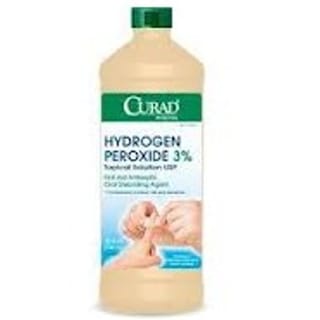
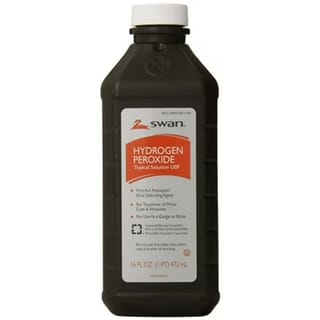
- Hydrogen peroxide — 3%
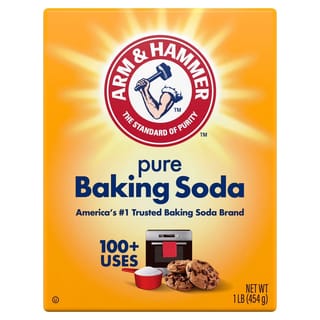
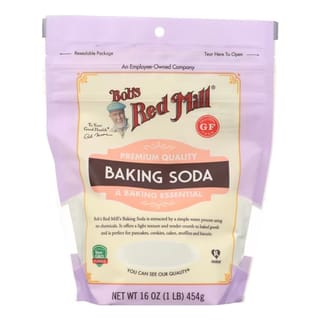
- Baking soda
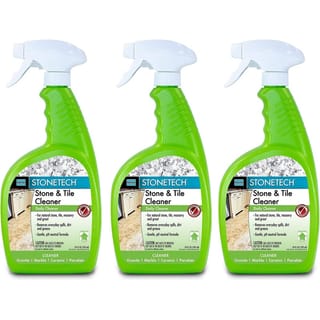
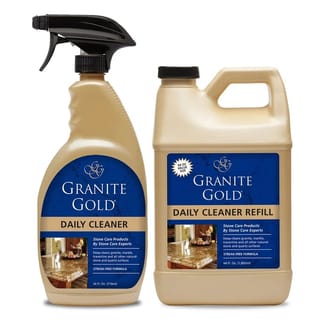
- Stone cleaner
- Plastic wrap and painter tape
- Microfiber cloth
How to do it
Blot fresh red wine immediately with a clean, dry microfiber cloth or paper towel without rubbing or spreading the puddle.
Wipe the area with pH-neutral stone cleaner and warm water to remove surface sugars and residue.
Combine baking soda with 3% hydrogen peroxide in a small bowl until it forms a creamy paste the consistency of sour cream.
Apply the poultice paste over the red wine stain in a 1/4-inch thick layer, overlapping the stain edges slightly.
Cover the paste with plastic wrap, tape down all four edges, and poke several small ventilation holes in the plastic.
Allow the poultice to dry completely for 24 to 48 hours. As the paste dries, the peroxide breaks down the wine chromophores while the baking soda pulls the dyes up from the pores.
Scrape off the dry powder with a plastic scraper, wipe clean with a damp cloth, and dry thoroughly with a soft microfiber towel.
What to avoid
- Never pour white vinegar, lemon juice, or wine-out sprays onto marble or limestone counters.
- Avoid using colored paper towels or colored rags that could transfer dyed fibers to damp stone.
- Never scrub stone with steel wool or coarse scouring pads.
Products
Popular products
Related
Related guides
FAQ
Questions people ask
- Can 3% hydrogen peroxide discolor or bleach colored marble or granite?
- Household 3% hydrogen peroxide is safe for light and white marble or granite. For very dark or black stone (such as Absolute Black granite), test on an inconspicuous corner first or use a baking soda and distilled water paste to prevent subtle surface lightening.
- How do I tell if red wine caused an etch mark or a stain on my stone counter?
- A stain appears darker than the stone where pigment soaked in, while an etch mark looks lighter, cloudy, and dull when light catches the surface at an angle because the acid physically corroded the stone polish.
Sources
Sources
- Care & Cleaning of Natural Stone Surfaces — Natural Stone Institute