Guide
How to Remove Coffee Stains from Natural Stone
Mix a thick poultice of baking soda and 3% hydrogen peroxide, spread it over the coffee ring at 1/4-inch thickness, cover with vented plastic wrap for 24 hours to draw out tannin dyes, then scrape away and wipe clean with a damp microfiber cloth.
Context
Conditions that change the method
- Delicate surface — Never scrub coffee marks with abrasive scouring powders or citric cleaners, which scratch or chemically etch calcium-rich natural stone.
- Food contact — Rinse stone countertops with clean water until free of all residue before prepping food.
Avoid using vinegar or acid descalers on stone counters
What you need
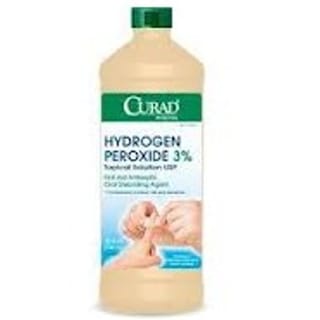
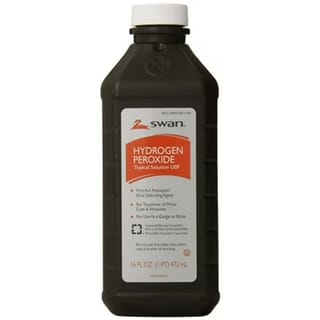
- Hydrogen peroxide — 3%
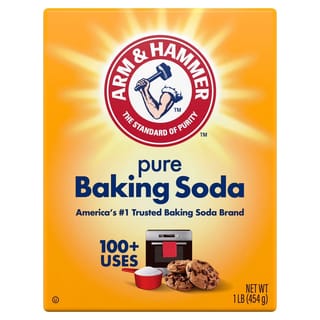
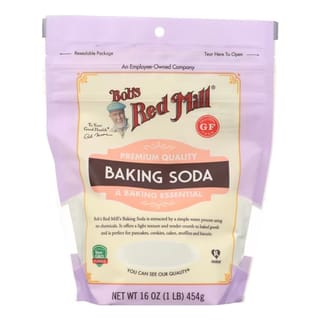
- Baking soda
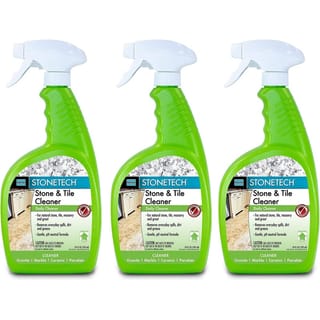
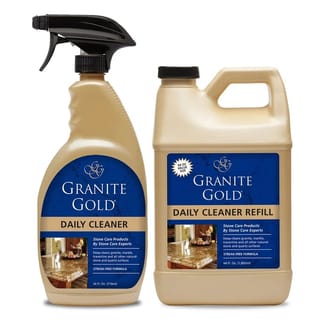
- Stone cleaner
- Plastic wrap and painter tape
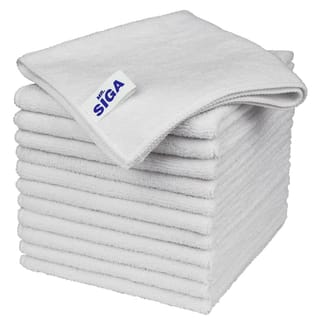
- Microfiber cloth
How to do it
Wipe the surface with pH-neutral stone cleaner on a damp microfiber cloth to remove surface oils, dried milk, and coffee residue.
Mix baking soda and 3% hydrogen peroxide in a bowl until the mixture reaches a thick, spreadable paste consistency.
Smooth the paste over the coffee stain roughly 1/4 inch thick, overlapping the perimeter of the discoloration.
Cover the applied paste with plastic wrap and secure the borders with painter tape. Pierce 4 to 5 small holes in the plastic wrap with a toothpick.
Leave the poultice undisturbed for 24 hours while the paste dries and capillary action extracts the brown tannin pigment from deep within the stone pores.
Remove the plastic, gently scrape away the dry powder using a plastic scraper, and wipe clean with a warm, damp microfiber towel.
Dry the stone completely with a clean microfiber cloth to check that all brown discoloration has lifted.
What to avoid
- Never use citric acid, vinegar, or abrasive scouring pastes on polished stone.
- Avoid letting wet coffee cups sit directly on unsealed stone surfaces.
- Do not use metal scraping blades that can gouge the stone surface.
Products
Popular products

Related
Related guides
FAQ
Questions people ask
- Can an old, set-in coffee stain be removed from marble or granite?
- Yes. Even months-old coffee rings can be pulled out using a 3% hydrogen peroxide and baking soda poultice. If faint discoloration persists after the first 24 hours, apply a fresh poultice for a second cycle.
- Why does the poultice need to be 1/4-inch thick?
- A thick paste dries slowly from the top down, creating an upward capillary draw that forces deeply embedded coffee tannins to travel up out of the stone pores into the absorbent paste.
Sources
Sources
- Care & Cleaning of Natural Stone Surfaces — Natural Stone Institute