Guide
How to Remove Rust Stains from Natural Stone
Mix a thick poultice paste of baking soda and pH-neutral stone cleaner, spread it 1/4-inch thick over the rust spot, cover with plastic wrap punctured with tiny holes, let dry for 24 to 48 hours to draw out the iron oxide, then scrape off with a plastic edge and wipe dry.
Context
Conditions that change the method
- Delicate surface — Marble, travertine, and limestone contain calcium carbonate that dissolves instantly on contact with standard acidic rust removers or vinegar.
- Food contact — Rinse stone countertops thoroughly and buff dry before food preparation.
NEVER use standard acidic rust removers or vinegar on natural stone
What you need
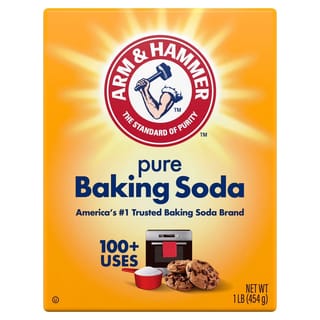
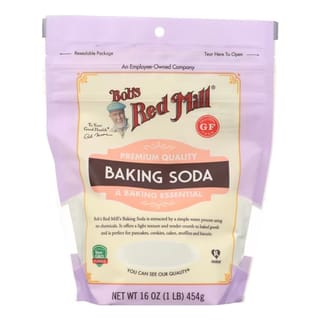
- Baking soda
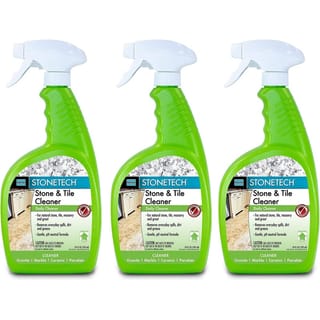
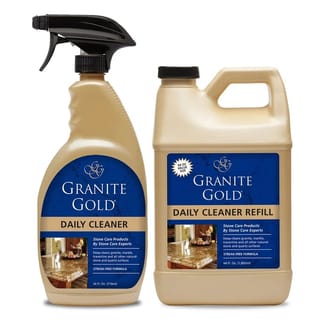
- Stone cleaner
- Plastic wrap and painter tape
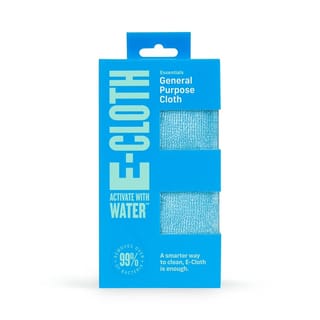
- Microfiber cloth
How to do it
Wipe the rust-stained stone surface with a damp microfiber cloth and pH-neutral stone cleaner to remove surface dust and loose grit.
Mix baking soda with pH-neutral stone cleaner or distilled water in a small cup until it forms a thick paste resembling peanut butter.
Spread the poultice paste over the rust stain at least 1/4-inch thick, extending 1/2 inch beyond the borders of the stain.
Cover the paste with plastic wrap and tape the edges down with painter tape. Poke 4 to 6 small pinholes in the plastic to allow gradual moisture evaporation.
Leave the poultice undisturbed for 24 to 48 hours until the paste is completely dry and powdery. As it dries, capillary action draws the rust particles out of the stone pores into the paste.
Gently scrape off the dried paste using a plastic spatula or credit card edge. Wipe the area with a damp microfiber cloth, rinse with clean water, and buff dry immediately.
What to avoid
- Never use oxalic acid, hydrochloric acid, or commercial CLR rust removers on natural stone.
- Never scrub stone with wire brushes or green abrasive scour pads.
- Avoid leaving wet cast-iron pans, tin cans, or metal dispenser rings directly on stone counters.
Products
Popular products

Related
Related guides
FAQ
Questions people ask
- What should I do if a rust stain remains after one poultice application?
- Deeply embedded iron rust may require a second or third 24-hour poultice cycle. Reapply a fresh baking soda paste until all discoloration has been extracted into the dried powder.
- How do I prevent rust stains from forming on granite or marble countertops?
- Keep cast iron pans, shaving cream cans, and metal-bottom soap dispensers on non-porous trays or coasters, and seal natural stone surfaces yearly to reduce porosity.
Sources
Sources
- Care & Cleaning of Natural Stone Surfaces — Natural Stone Institute