Guide
How to Remove Rust from Cast Iron
Scour away orange rust using coarse kosher salt or fine steel wool with a drop of dish soap, rinse quickly in warm water, dry completely on a low stovetop burner for 5 minutes, and rub with a micro-thin layer of cooking oil before baking at 400°F (200°C) for 1 hour to re-season.
Context
Conditions that change the method
- Food contact — Cast-iron cookware directly contacts food; use only food-safe vegetable or mineral oils for seasoning and rinse away all scouring debris.
Use oven mitts when handling hot cast iron during re-seasoning
What you need
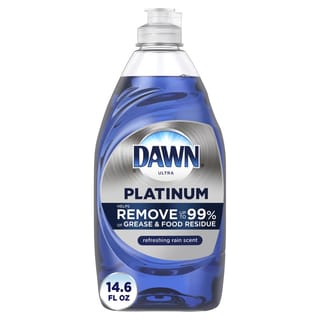
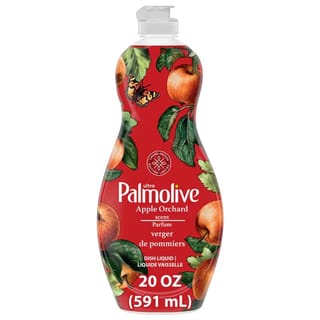
- Dish soap
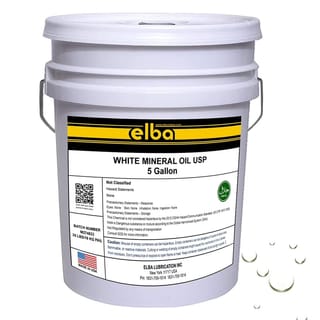
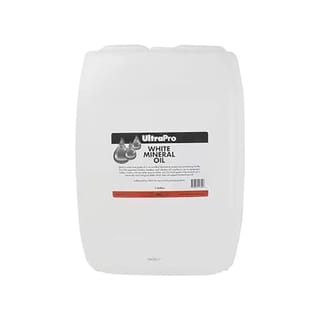
- Mineral oil or canola oil
- Coarse kosher salt or fine steel wool (grade 000)
- Microfiber cloth or paper towels
How to do it
Pour 2 tablespoons of coarse kosher salt into the dry, rusty skillet and add half a teaspoon of liquid dish soap.
Scrub the rusted areas firmly in small circular motions using a folded paper towel, a cut potato, or fine steel wool until all orange powdery oxide lifts away and bare dark metal is exposed.
Rinse the pan immediately under warm running water to flush away loosened rust particles and salt grit. Do not let the skillet soak in the sink.
Towel dry the skillet thoroughly, then place it on a stovetop burner over low heat for 3 to 5 minutes to evaporate every drop of trapped moisture from the iron pores.
Pour 1 teaspoon of high-smoke-point cooking oil or food-grade mineral oil onto the warm iron and spread it across the entire interior, exterior, and handle with a clean paper towel.
Buff the pan vigorously with a fresh, dry cloth until the metal looks matte and dry rather than wet or shiny; excess oil pools into sticky spots.
Place the skillet upside down on the middle rack of an oven preheated to 400°F (200°C) with a sheet of aluminum foil on the bottom rack, bake for 1 hour to polymerize the oil, and let cool completely inside the turned-off oven.
What to avoid
- Never soak a cast-iron pan in water or put it in a dishwasher, which strips seasoning and triggers flash rust.
- Never air-dry cast iron without heat; ambient moisture rusts unseasoned iron within minutes.
- Avoid applying too much oil when seasoning, which creates a tacky, gummy surface.
Products
Popular products
Related
Related guides
FAQ
Questions people ask
- What is the best oil to use when seasoning a cast-iron skillet?
- Grapeseed oil, canola oil, and vegetable shortening are ideal because they have high smoke points and polymerize into a slick, durable, non-stick patina when baked at 400°F to 450°F (200°C to 230°C).
- Will dish soap ruin the seasoning on a cast-iron pan during regular cleaning?
- Modern mild dish soap does not damage cured cast iron seasoning, which is a polymerized oil bonded to the metal rather than raw grease. Only lye-based soaps or abrasive dishwashers strip seasoning.
Sources
Sources
- Gas Range & Cooktop - Cleaning Grates and Burner Caps — GE Appliances
- Removing Stains from Washable Fabrics — University of Georgia Extension