Guide
How to Remove Pink Slime from a Toilet
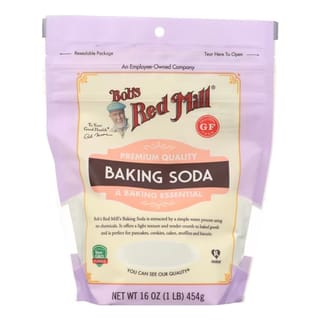
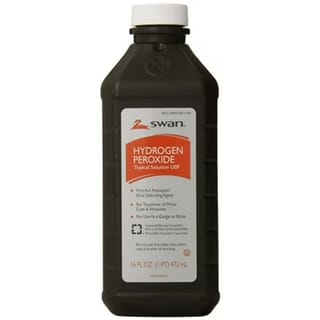
Lower the bowl water level, apply a paste of baking soda and 3% hydrogen peroxide to the pink waterline and under the bowl rim jets, let dwell for 20 minutes, scrub thoroughly with a nylon toilet brush, and flush twice.
Context
Conditions that change the method
- Poor ventilation — Keep the bathroom exhaust fan running or door open while cleaning.
Never mix household cleaners inside the toilet bowl
What you need
- Baking soda
- Hydrogen peroxide — 3%
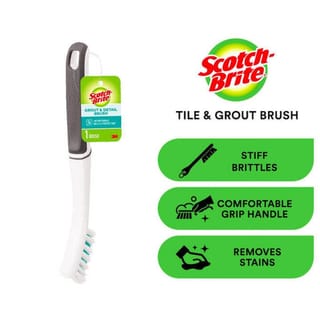
- Nylon brush — toilet brush or detail brush
- Clean water flush
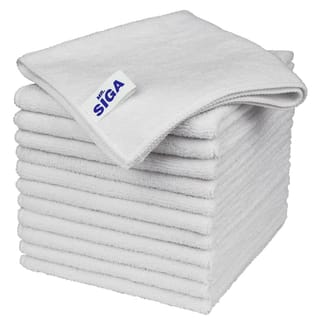
- Microfiber cloth
How to do it
Push the toilet brush head down into the trapway several times to displace bowl water and lower the waterline below the pink bacterial ring.
Sprinkle baking soda generously over the damp porcelain bowl sides, targeting the waterline and the underside of the upper rim.
Spray or pour 3% hydrogen peroxide directly over the baking soda to create an active bubbling paste across the pink biofilm.
Let the solution dwell for 20 minutes so active oxygen can break down the bacterial matrix and sanitize hidden rim jet holes.
Scrub the entire bowl firmly with a nylon toilet brush, using the angled brush head to get deep beneath the rim where water trickles.
Flush the toilet twice to rinse away all loosened pink residue and neutral paste from the porcelain bowl.
Wipe down the toilet seat hinges, exterior rim, and handle with a disinfectant-dampened microfiber cloth to prevent airborne transfer.
What to avoid
- Do not use continuous in-tank drop-in bleach tablets without checking plumbing warranties, as concentrated chlorine deteriorates internal rubber flappers.
- Avoid rough pumice stones on glossy porcelain unless standard brushing fails, to prevent micro-scratches that harbor future bacterial growth.
- Do not leave unused guest toilets unflushed for weeks; stagnant water loses chlorine residual and invites airborne Serratia.
Products
Popular products



Related
Related guides
FAQ
Questions people ask
- Why does a pink ring form around the toilet waterline?
- When water sits still in a toilet bowl, chlorine added by municipal treatment evaporates over a few days. Airborne Serratia marcescens bacteria land on the damp porcelain surface at the water line and feed on organic residues, quickly forming a pink bacterial ring.
- Can pink slime grow inside the toilet tank?
- Yes, if the toilet is rarely used. To treat it safely without damaging rubber seals, turn off the water supply, flush to empty the tank, pour in 2 cups of 3% hydrogen peroxide, scrub the walls with a soft nylon brush, and refill.
Sources
Sources
- Red Substance in Tub, Toilet is Bacteria — NDSU Extension and Ag Research
- Learn About the Safer Choice Label — U.S. Environmental Protection Agency