Guide
How to Remove Pink Slime from a Bathroom Sink
Remove the pop-up stopper to clear trapped hair and slime, scrub the drain rim, overflow port, and faucet base seam with dish soap and a 3% hydrogen peroxide paste using a nylon detail brush, let sit for 15 minutes to oxidize bacteria, and flush with warm water.
Context
Conditions that change the method
- Delicate surface — Avoid steel wool or harsh abrasive scouring pads that can scratch faucet plating or ceramic sink glaze.
Avoid mixing drain chemicals or splashing sanitizing cleaners
What you need
- Dish soap
- Baking soda
- Hydrogen peroxide — 3%
- Nylon brush or old toothbrush
- Warm running water
- Microfiber cloth
How to do it
Pull up or twist out the pop-up drain stopper from the sink basin to expose accumulated hair and slippery pink bacterial biofilm.
Apply a few drops of dish soap directly to the stopper and drain flange, scrubbing lightly to dissolve greasy soap residues that feed bacteria.
Mix equal parts baking soda and 3% hydrogen peroxide into a spreadable foaming paste in a small cup.
Coat the stopper body, drain flange rim, interior overflow channel, and the seam around the faucet base with the peroxide paste.
Allow the paste to dwell undisturbed for 15 to 20 minutes while active oxygen oxidizes bacterial cell walls and breaks up the extracellular biofilm.
Scrub all crevices, the pop-up linkage rods, and the overflow hole vigorously using a nylon detail brush or old toothbrush.
Flush the basin, overflow hole, and drain pipe thoroughly with warm running water until all loosened pink residue is completely rinsed away.
Reinsert the clean stopper and wipe the ceramic basin, countertop, and faucet base completely dry with a clean microfiber cloth.
What to avoid
- Do not leave standing water or puddles around the faucet base or soap dispenser, which nourish airborne bacteria.
- Avoid using wire brushes or abrasive scouring pads that scratch polished chrome or sink enamel.
- Do not rely solely on vinegar; mild acids are less effective at breaking down Serratia marcescens biofilms than oxidizing sanitizers.
Products
Popular products
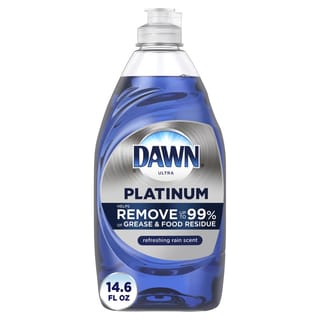 Dawn Platinum Dishwashing Liquid
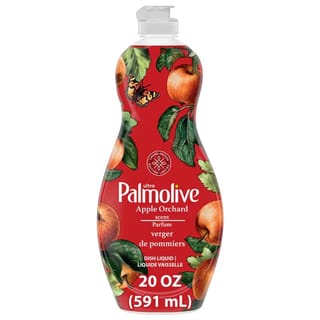 Palmolive Ultra Strength Dish Liquid
 Arm & Hammer Pure Baking Soda
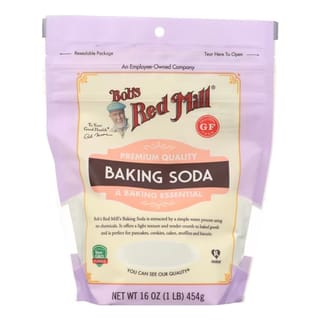 Bob's Red Mill Pure Baking Soda
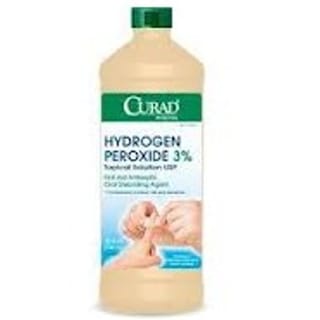 Curad 3% Hydrogen Peroxide USP
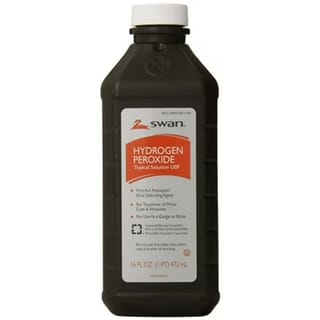 Swan Hydrogen Peroxide 3% Topical Solution
 Scotch-Brite Heavy Duty Grout Brush
 OXO Good Grips Deep Clean Brush Set
 E-Cloth General Purpose Cloth
 MR. SIGA Microfiber Cleaning Cloth
Related
Related guides
FAQ
Questions people ask
- What causes pink slime to form around bathroom sink drains and faucets?
- It is caused by Serratia marcescens, an airborne bacterium that feeds on fatty soap residue, skin oils, and phosphorus in standing water, forming a slippery pink biofilm in damp crevices.
- How do I clean pink slime inside the sink overflow channel?
- Pour 1/2 cup of baking soda into the overflow opening with a small funnel, follow with 1 cup of 3% hydrogen peroxide, let the expanding foam dwell for 15 minutes, and flush thoroughly with hot tap water.
Sources
Sources
- Red Substance in Tub, Toilet is Bacteria — NDSU Extension and Ag Research
- Learn About the Safer Choice Label — U.S. Environmental Protection Agency