Guide
How to Remove Mildew from a Bathroom Sink
Scrub the pop-up stopper mechanism, overflow opening, and faucet base seam with a thick paste of baking soda and 3% hydrogen peroxide using a nylon detail brush, let it sit for 15 minutes to oxidize fungal roots, and flush clean with warm water.
Context
Conditions that change the method
- Delicate surface — Avoid abrasive scouring pads or metal tools on delicate chrome faucet plating or enamel sink surfaces.
Avoid pouring bleach down drains containing residual cleaning chemicals
What you need
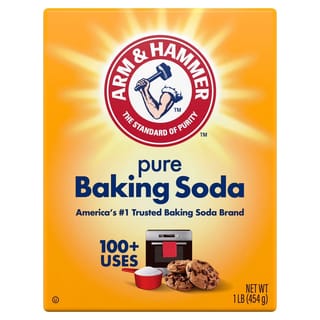
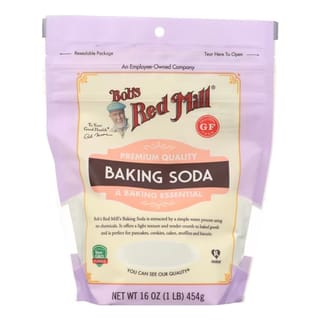
- Baking soda
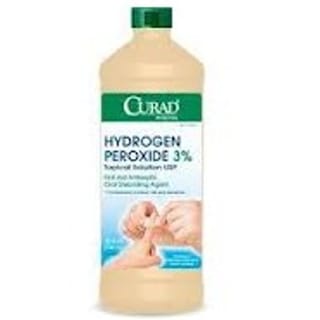
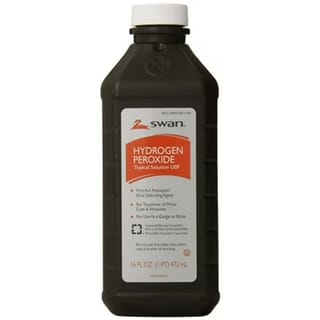
- Hydrogen peroxide — 3%
- Nylon brush or old toothbrush
- Warm running water
- Microfiber cloth
How to do it
Pull or unscrew the pop-up drain stopper from the sink drain opening to access accumulated hair and dark mildew biofilm.
Mix baking soda with 3% hydrogen peroxide in a small cup until it forms a foaming, spreadable paste.
Coat the removed stopper, the interior drain rim, the sink overflow channel, and the silicone caulking behind the faucet with the paste.
Allow the peroxide paste to dwell for 15 to 20 minutes while active oxygen breaks down slimy mold biofilm and fungal hyphae.
Scrub the stopper body, drain flange crevices, and the overflow channel vigorously using a flexible nylon detail brush or old toothbrush.
Flush the sink basin, drain throat, and overflow hole thoroughly with warm running water until all loosened black debris and foam are washed away.
Reinstall the clean stopper and wipe down the ceramic basin and faucet base with a dry microfiber cloth.
What to avoid
- Never leave standing puddles around the faucet base or soap dish, which feed mildew colonies.
- Never use coarse wire brushes that scratch polished porcelain or chrome faucet plating.
- Avoid regular bleach flushes, which can degrade rubber pop-up gaskets and PVC pipe seals.
Products
Popular products
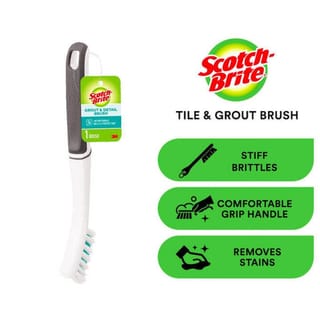

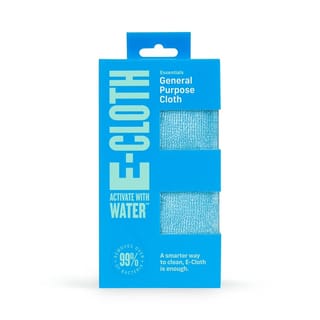

Related
Related guides
FAQ
Questions people ask
- How do I reach deep mildew inside the sink overflow channel?
- Pour 1/2 cup of baking soda into the overflow opening using a small funnel, follow with 1 cup of 3% hydrogen peroxide or distilled white vinegar to create an expanding foaming flush, let sit 15 minutes, and flush with hot water.
- What if black mildew has grown underneath the clear silicone caulk behind the sink?
- If mold has penetrated beneath old silicone caulk rather than sitting on its surface, the caulk has lost its adhesion and should be sliced out with a utility knife, disinfected with hydrogen peroxide, and replaced with 100% kitchen and bath silicone.
Sources
Sources
- Mold Cleanup in Your Home — U.S. Environmental Protection Agency
- Learn About the Safer Choice Label — U.S. Environmental Protection Agency