Guide
How to Remove Pink Slime from Grout
Apply a paste of baking soda, dish soap, and 3% hydrogen peroxide into stained grout channels, let sit for 20 minutes to oxidize bacteria, scrub with a stiff nylon grout brush, and rinse with warm water.
Context
Conditions that change the method
- Delicate surface — Do not use acidic cleaners or metal wire brushes on delicate grout lines or natural stone tiles.
Eye protection and chemical safety in enclosed showers
What you need
- Dish soap
- Baking soda
- Hydrogen peroxide — 3%
- Nylon brush or stiff grout brush
- Warm rinse water
- Microfiber cloth
How to do it
Inspect shower wall and floor grout lines, identifying low corners and seams where pink slime thrives on trapped moisture and soap runoff.
In a bowl, mix 1/2 cup baking soda, 1 teaspoon dish soap, and enough 3% hydrogen peroxide to form a thick, spreadable paste.
Press the paste directly into the grout joints and along the silicone perimeter seams using a brush or sponge.
Let the paste dwell for 20 minutes to allow the effervescent peroxide to oxidize bacterial colonies deep in porous grout micro-voids.
Scrub along the grout channels with a narrow, stiff nylon grout brush to dislodge the loosened bacterial biofilm.
Rinse the walls and floor thoroughly with warm water from a handheld shower sprayer until all gritty paste and slime are gone.
Squeegee water off the tiles and wipe the grout lines dry with a microfiber cloth, keeping the bathroom exhaust fan running for 30 minutes.
What to avoid
- Never use vinegar or acidic descalers on unsealed cementitious grout, which etches and weakens the mortar binder.
- Avoid wire brushes that can gouge out grout joints and damage tile edges.
- Do not leave the shower door or curtain closed immediately after use without ventilation.
Products
Popular products
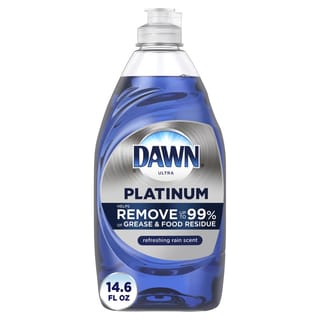 Dawn Platinum Dishwashing Liquid
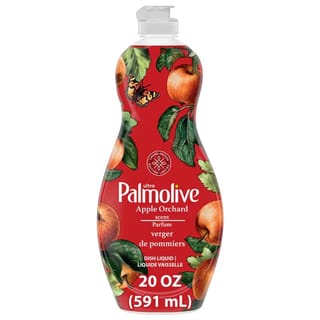 Palmolive Ultra Strength Dish Liquid
 Arm & Hammer Pure Baking Soda
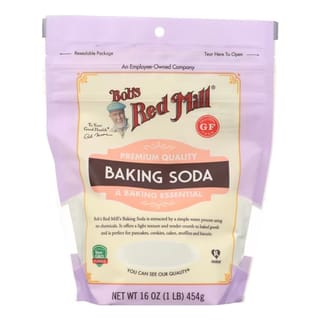 Bob's Red Mill Pure Baking Soda
 Curad 3% Hydrogen Peroxide USP
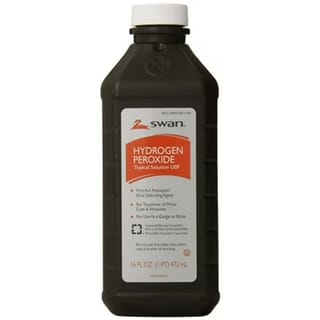 Swan Hydrogen Peroxide 3% Topical Solution
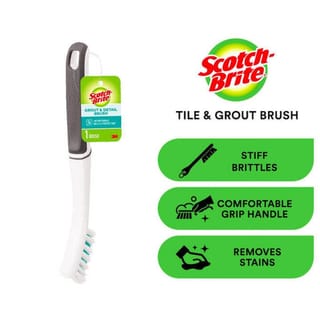 Scotch-Brite Heavy Duty Grout Brush
 OXO Good Grips Deep Clean Brush Set
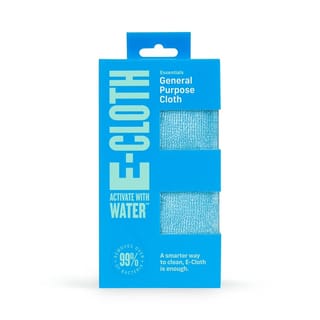 E-Cloth General Purpose Cloth
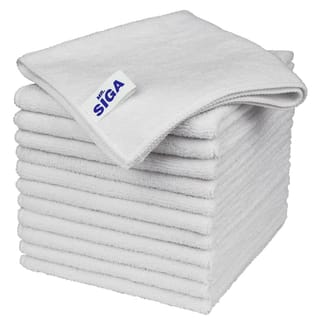 MR. SIGA Microfiber Cleaning Cloth
Related
Related guides
FAQ
Questions people ask
- What is the difference between pink slime and black mold on shower grout?
- Pink slime is a surface bacterial biofilm caused by Serratia marcescens that feeds on soap and rinses off with oxidation, while black mold is a true fungus that roots deeply into porous grout and requires antifungal penetrating treatments.
- Does applying grout sealer prevent pink slime from returning?
- Yes. Penetrating grout sealers fill microscopic pores where water and soap oils collect. Sealing grout makes it difficult for bacteria to anchor, though regular drying and ventilation are still necessary.
Sources
Sources
- Red Substance in Tub, Toilet is Bacteria — NDSU Extension and Ag Research
- Learn About the Safer Choice Label — U.S. Environmental Protection Agency