Product type
Distilled white vinegar
A mild acid useful for mineral deposits and some soap films on glass and other acid-safe surfaces. Never mix it with bleach or ammonia. It is a method, not a disinfectant claim.
Guides that use Distilled white vinegar
- How to Remove Hard Water Stains from Shower GlassDissolve mineral spots on shower glass with distilled white vinegar, then wipe dry so they do not return as fast.
- How to Remove Soap Scum from Shower GlassCut the dull soap film on shower glass with vinegar, wipe it off, and dry the panel so the film does not reset overnight.
- How to Remove Hard Water Stains from a FaucetDissolve crusty mineral deposits around faucet spouts and aerators using distilled white vinegar, then rinse and dry to preserve the finish.
- How to Remove Rust Stains from a ToiletDissolve stubborn iron and rust streaks in toilet bowls using citric acid or distilled white vinegar without scratching vitreous china porcelain.
- How to Remove Burnt-On Food from an OvenBreak down blackened, carbonized food spills inside an oven using an overnight baking soda paste and vinegar rinse without harsh chemical fumes.
- How to Remove Cooking Grease from a MicrowaveSteam-clean splattered food and baked-on oil inside a microwave using trapped vinegar vapor, then wipe walls effortlessly without scrubbing.
- How to Remove Coffee Stains from Cotton ClothesDissolve dark tannin dyes and milk fats from spilled coffee on cotton shirts using cold water flushing, white vinegar, and liquid detergent.
- How to Remove Mildew from a Washing Machine GasketClear black mildew, detergent slime, and musty odors trapped in front-load washer door seals using white vinegar and nylon brushing.
- How to Remove Food Odors from a DishwasherEliminate rotten food and fish smells in a dishwasher by cleaning the bottom filter cylinder and running two-stage vinegar and baking soda flushes.
- How to Remove Tomato Sauce Stains from Cotton ClothesBreak down oily lipids and red lycopene carotenoid pigments from pasta sauce and ketchup on cotton fabrics using dish soap and hydrogen peroxide.
- How to Remove Smoke Odor from CurtainsNeutralize stubborn tobacco and fireplace smoke molecules trapped in curtain fabrics using baking soda pre-soaking, distilled white vinegar rinsing, or gentle steam airing.
- How to Remove Sweat Stains from BeddingBreak down yellow perspiration rings and body oils on sheets, pillowcases, and duvet covers using oxygen bleach soaking and enzyme laundry detergent.
- How to Remove Blueberry Stains from Cotton ClothingNeutralize dark anthocyanin fruit dyes and break down pectin on cotton fabrics using an acidic rinse and enzyme laundry detergent before machine washing.
- How to Remove Body Oil from Polyester ClothingBreak down trapped sebaceous body oils and odor-causing bacteria in lipophilic polyester fibers with dish soap pre-treatment and warm enzyme laundering.
- How to Remove Coffee Stains from Wool ClothingLift coffee tannins and milk fats from delicate wool fibers using cool water, mild dish soap, and distilled white vinegar without agitation, shrinkage, or fiber felting.
- How to Remove Hard Water Stains from a Bathroom SinkDissolve chalky mineral deposits and crusty limescale rings around bathroom sink faucets and drains using mild distilled white vinegar or citric acid.
- How to Remove Hard Water Stains from a DishwasherDissolve chalky limescale film, unclog spray arm jets, and restore stainless steel interior luster using citric acid or distilled white vinegar hot cycles.
- How to Remove Rust from a Kitchen SinkDissolve stubborn rust rings from wet cast iron pans or rusty cans on stainless steel, porcelain, or composite sinks using baking soda and citric acid without surface scratching.
- How to Remove Burnt-on Food from a MicrowaveSteam-clean rock-hard baked-on food splatters, cheese crusts, and carbonized sauces inside the microwave cavity using trapped white vinegar and lemon steam.
- How to Remove Smoke Odor from UpholsteryExtract stale tobacco, wildfire, or cooking smoke residues from sofa fabrics and cushion foam using baking soda absorption and fine vinegar misting.
- How to Remove Coffee Stains from CarpetExtract coffee tannins, cream fats, and sugar residues from carpet fibers using a gentle solution of distilled white vinegar and dish soap without spreading.
- How to Remove Burnt Grease from an OvenDissolve stubborn baked-on brown grease splatter and oil haze on oven interior walls, glass doors, and racks using baking soda paste and vinegar.
- How to Remove Pet Urine from UpholsteryExtract dog and cat urine, eliminate pungent ammonia smells, and digest uric acid crystals on couches and chair cushions using bio-enzymatic cleaners without soaking foam cores.
- How to Remove Hard Water Stains from a ToiletDissolve stubborn calcium lines, mineral crust, and limescale rings at the toilet bowl waterline using citric acid or distilled white vinegar.
- How to Remove Mold from a Washing MachineEradicate hidden black mold colonies, slimy detergent residue, and musty odors from washing machine dispenser drawers, drum baffles, and drain filters using citric acid and hot water cycles.
- How to Remove Mold from a RefrigeratorSanitize black mold spots and fungal growth inside refrigerator door gaskets, vegetable crisper bins, and interior walls using distilled white vinegar and baking soda.
- How to Remove Mold from CurtainsEradicate black mold spots and musty fungal spores on washable window drapes and fabric shower curtains using oxygen bleach soaking and distilled white vinegar.
Popular Distilled white vinegar products
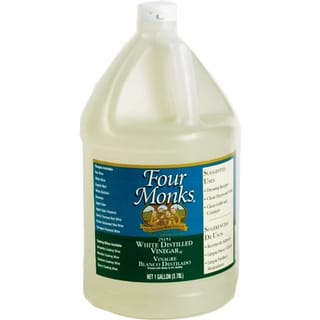 Four Monks All-Natural Cleaning VinegarFour MonksA distilled vinegar formulated specifically for household cleaning applications with strong mineral-dissolving acidity.
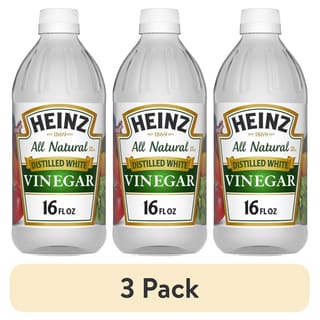 Heinz All-Natural Distilled White VinegarHeinzStandard 5% acidity distilled white vinegar made from sun-ripened grain, ideal for dissolving hard water mineral scale.
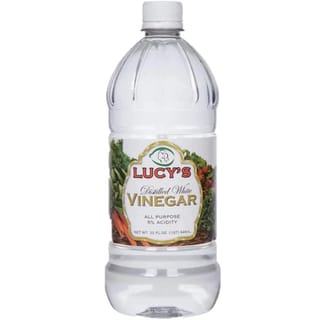 Lucy's 100% Pure Distilled White VinegarLucy'sPure distilled white vinegar diluted to 5% acidity, packaged in a bulk jug for regular descaling and glass maintenance.
Collections
Sources
- Learn About the Safer Choice Label — U.S. Environmental Protection Agency