Guide
How to Remove Pet Urine from a Laminate Floor
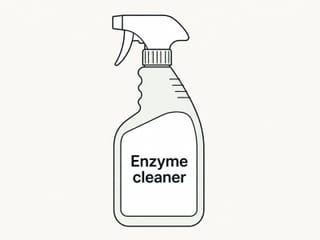
Blot the puddle dry, mist a cloth with a hard-surface enzyme cleaner rather than flooding the floor, give it a short dwell, wipe, and dry the seams at once. Do not use steam, ammonia, or a soaking mop.
Context
Conditions that change the method
- Delicate surface — Laminate cores swell permanently from standing water. Put cleaner on the cloth, not in the seams.
- Pet-safe — Keep pets off the spot until it is dry so they do not lick residue or re-mark a damp patch.
Never use steam, ammonia, or a soaking mop on laminate urine
Steam drives moisture into the joints and can set odor. Ammonia smells like urine to pets and invites re-marking. If enzyme cleaner gets in your eyes or on skin, rinse with clean water and get medical care if discomfort continues.
What you need
- A bio-enzymatic pet cleaner labeled for hard floors
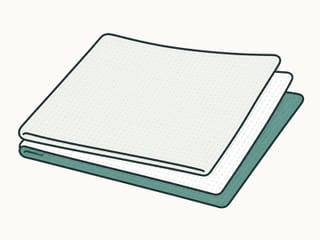
- Paper towels and dry microfiber cloths
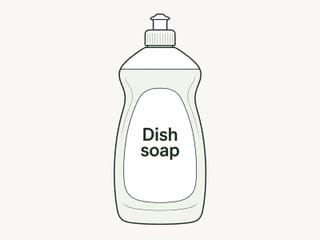
- A barely damp cloth and a drop of dish soap for the final wipe
- Blot standing urine with thick paper towels, pressing down instead of wiping so you do not push liquid into the joints.
- Mist enzyme cleaner onto a cloth until it is damp, not dripping. Wipe the stained wear layer and the immediate joint lines.
- Let the film sit 10 to 15 minutes so the enzymes can break down uric acid. Do not leave a wet puddle on the plank.
- Wipe with a cloth barely dampened in clean water, then dry the area and the seams immediately with a fresh towel.
- If a faint film remains, add one drop of dish soap to a damp cloth, wipe once, and dry again. Keep pets off until the floor feels dry.
When to stop
If the plank edges are already swollen, gray, or lifting, the core has taken on urine. More cleaner will not unswell fiberboard. That board has to be replaced. Recurring odor in a tight seam after you dry it is the same problem.
What to avoid
- Do not use a steam mop or a wet mop that leaves standing water.
- Do not use ammonia or vinegar as a urine treatment — both can cue the pet to mark again.
- Do not soak the joints with hydrogen peroxide the way you might spot-treat finished hardwood.
Products
What to use
Related
Related guides
FAQ
Questions people ask
- Can I treat laminate the same way as finished hardwood?
- No. Hardwood is solid wood under a finish; laminate is a photo layer over fiberboard. A peroxide poultice or a wet dwell that is safe enough on sealed hardwood can swell laminate seams. Keep liquid on the cloth and dry the joints at once.
- The surface looks clean but the seam still smells. Now what?
- Urine that wicked into the core will keep smelling after the wear layer is clean. Another enzyme pass will not unswell the board. Replace the damaged planks and keep the pet off that spot while it dries.
Sources
Sources
- How to Remove Pet Stains and Odors from Carpet — The Humane Society of the United States
- Learn About the Safer Choice Label — U.S. Environmental Protection Agency