Guide
How to Remove Mold from Windows
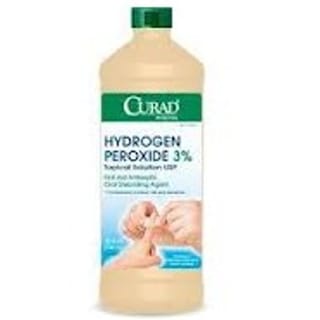
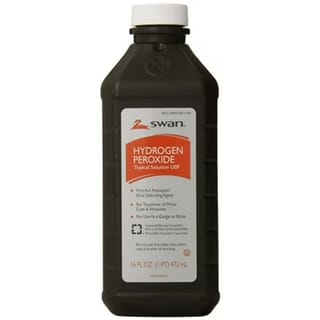
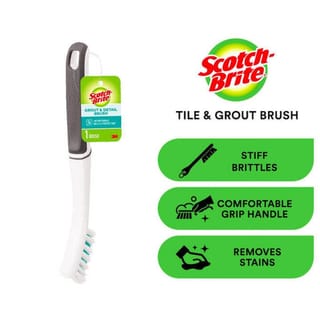
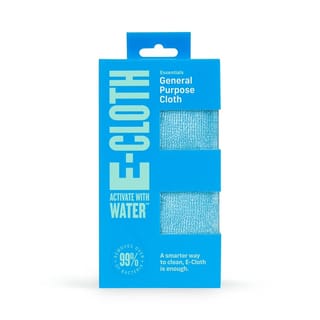
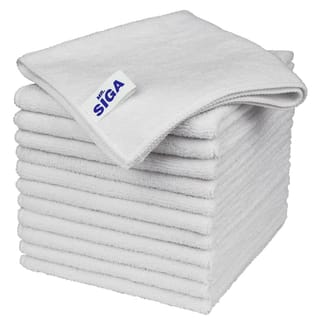
Spray 3% hydrogen peroxide along moldy window sills, glass tracks, and rubber seals, allow it to sit for 15 minutes to kill fungal hyphae, scrub tight crevices with a nylon detail brush, and wipe completely dry with a clean microfiber cloth.
Context
Conditions that change the method
- Delicate surface — Avoid using harsh bleach or metal scrapers on painted wood sills, vinyl frames, or flexible rubber window gaskets.
Wear a mask and ensure room ventilation during mold cleanup
What you need
- Hydrogen peroxide — 3%
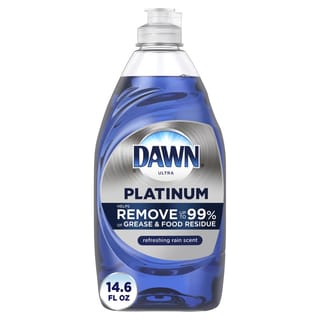
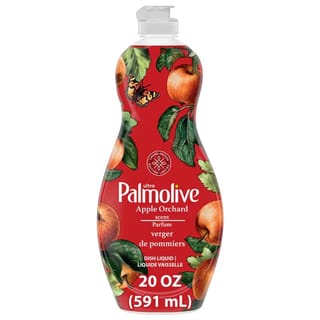
- Dish soap
- Nylon brush or old toothbrush
- Spray bottle
- Microfiber cloth
How to do it
Open nearby interior doors or windows to ventilate the room and put on protective gloves and a dust mask.
Pour 3% hydrogen peroxide into a clean spray bottle, adding two drops of liquid dish soap to help the liquid adhere to vertical window glass and rubber seals.
Spray the moldy window tracks, sill corners, and silicone perimeter seals until thoroughly saturated.
Let the solution sit undisturbed for 15 minutes while the bubbling oxygen oxidizes and kills the mold root system.
Scrub the track corners, sliding grooves, and rubber weep holes with a nylon detail brush to dislodge blackened fungal residue.
Wipe away loosened grime and dead mold with a damp microfiber cloth, rinsing the cloth frequently in a bucket of clean water.
Dry the window frame, tracks, and sill thoroughly with a fresh dry towel to prevent lingering condensation from feeding new mold spores.
What to avoid
- Never dry-brush powdery mold, which launches millions of spores into household air.
- Never spray chlorine bleach on aluminum window tracks, which causes white oxidization and metal pitting.
- Avoid leaving wet tracks or condensation puddles on window sills overnight.
Products
Popular products

Related
Related guides
FAQ
Questions people ask
- How do I stop mold from returning to my window sills in winter?
- Wipe morning condensation off windows daily with a squeegee, keep home humidity below 50% using exhaust fans or dehumidifiers, and check that window weep holes along the exterior track are unblocked.
- Can I use distilled white vinegar instead of hydrogen peroxide on window mold?
- Yes. Distilled white vinegar is an effective mold killer on vinyl and glass, though 3% hydrogen peroxide is preferred on silicone caulk because it naturally bleaches out black fungal staining while killing spores.
Sources
Sources
- Mold Cleanup in Your Home — U.S. Environmental Protection Agency