Guide
How to Remove Cooking Grease from Grout
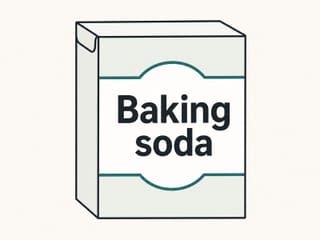
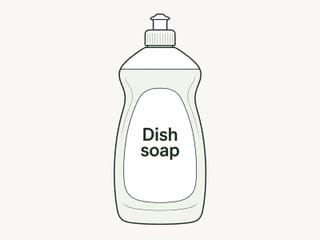
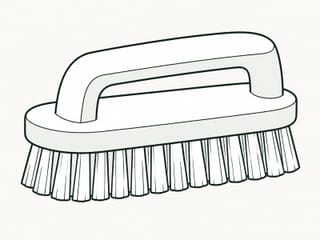
Apply a paste of baking soda, warm water, and a few drops of dish soap along greasy grout lines, let it break down lipids for 10 minutes, scrub with a stiff nylon brush, and wipe completely clean with a damp microfiber cloth.
Context
Conditions that change the method
- chemical sensitivity — Never use acidic cleaners (such as vinegar or lemon juice) on cementitious grout, as acids chemically dissolve the cement matrix.
Avoid acids and abrasive metal pads
Porous cement-based grout is alkaline and degrades when exposed to acidic cleaners like vinegar. Metal wire brushes can gouge grout channels and scratch surrounding glazed tiles. Use non-acidic alkaline degreasers and nylon bristles only.
What you need
- Baking soda
- Concentrated clear liquid dish soap
- Warm water
- Stiff-bristled nylon grout brush
- Clean microfiber cloths
- Small mixing bowl
- Wipe away loose surface oil and food splatters from the surrounding tile using a warm, damp microfiber cloth.
- Mix 1/2 cup of baking soda with 2 tablespoons of warm water and 1 teaspoon of liquid dish soap in a bowl until it forms a spreadable alkaline paste.
- Spread the paste generously along greasy backsplash or kitchen floor grout lines using your fingers or a spatula.
- Allow the paste to dwell for 10 to 15 minutes so the alkaline soda and surfactants saponify and emulsify deep-seated cooking fats.
- Scrub the grout lines firmly using a narrow, stiff nylon brush in back-and-forth strokes to lift dissolved oil out of the pores.
- Rinse the grout thoroughly by wiping away all paste residue with a microfiber cloth dipped in clean warm water, then dry with a clean towel.
What to avoid
- Never use vinegar, citric acid, or acidic bathroom cleaners on cement grout, as acids cause crumbling and pitting.
- Do not use steel wool or metal wire brushes, which scratch tile glazes and leave rust-prone metal specks.
- Avoid leaving dried baking soda film on textured tiles; rinse completely with clean water.
Products
What to use
Related
Related guides
FAQ
Questions people ask
- How do I fix kitchen grout lines that turned yellow from years of cooking oils?
- Apply a paste of baking soda and 3% hydrogen peroxide along the discolored lines. The peroxide bleaches organic yellow stains while the alkaline soda breaks down oxidized fats without damaging cement binders.
- How can I prevent cooking grease from soaking into tile grout in the future?
- Once the grout is clean and completely dry (allow 24 to 48 hours), apply a penetrating, solvent-based or water-based penetrating fluoropolymer grout sealer. The sealer forms a hydrophobic and oleophobic barrier that stops hot grease from penetrating the pores.
Sources
Sources
- Cleaning Grout — Tile Council of North America
- Food Safety Basics — U.S. Department of Agriculture Food Safety and Inspection Service