Guía
How to Remove Mold from a Dishwasher
Wet the door gasket before you touch it, scrub the folds and the removable filter with dish soap, rinse, then run a hot empty cycle with vinegar or citric acid. Dry the seal and leave the door cracked open. Large, hidden, or returning growth needs a specialist.
Contexto
Condiciones que cambian el método
- Contacto con alimentos — Run a plain hot rinse or a normal wash with detergent before the next load of plates and utensils.
- Seguro para mascotas — Keep children and pets out of the kitchen until the tub is rinsed and the door is left ajar to dry.
- Superficie delicada — Skip chlorine bleach on a stainless tub and skip scouring pads on the filter mesh or rubber seal.
This is surface cleaning, not a mold-remediation or disinfection claim
If you have breathing, immune, or other health concerns, or the growth covers a large area or keeps coming back, stop and get help — including medical advice if you feel unwell. Do not dry-brush the gasket. Never mix bleach with vinegar or citric acid. Never put chlorine bleach in a stainless steel tub. If your eyes, skin, or breathing hurt, leave the room and get medical care. Rinse skin or eyes with water while you wait.
What you need
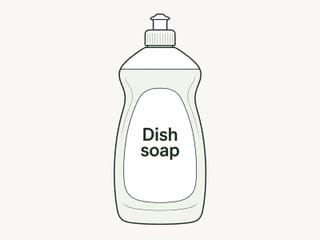
- Dish soap and warm water
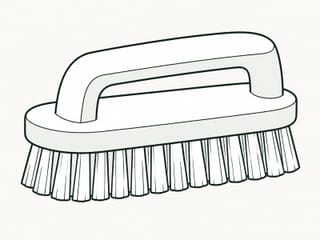
- A soft nylon brush or an old toothbrush
- A microfiber cloth
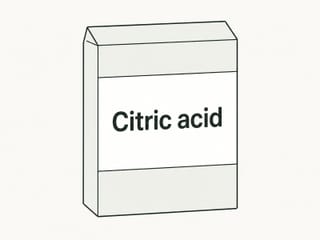
- Distilled white vinegar (1 cup) or food-grade citric acid
- A toothpick for spray-arm jets
- Empty the dishwasher and pull out the bottom rack. Wet the rubber door gasket — especially the bottom folds where water sits — so you are not brushing dry growth into the air.
- Work a few drops of dish soap into the gasket folds and along the inner door edge. Scrub in short, wet sections, then wipe the loosened film onto a cloth.
- Twist the cylindrical filter counterclockwise and lift it out with the flat mesh plate. Rinse both under warm soapy water. Use a sponge or a soft nylon brush only — scouring pads scratch the mesh.
- Wipe the tub corners, detergent cup, and the sump around the filter opening. Clear spray-arm jets with a toothpick, then lock the filter back in place.
- Place a dishwasher-safe cup of 1 cup distilled white vinegar on the top rack, or put citric acid in the detergent cup. Run the hottest empty wash with no detergent and no dishes.
- Wipe the gasket and door edges dry. Leave the door cracked open until the interior is dry. Run a normal wash with detergent before the next load of dishes.
When to stop
If the same gasket line darkens again within days, the seal is staying wet or the machine is not draining. More cleaner will not fix a torn gasket, a clogged drain hose, or a leak. Soft, cracked, or permanently stained rubber should be replaced. Growth that is widespread, hidden in the cabinet, or making people unwell is outside ordinary household cleaning.
What to avoid
- Dry-brushing the gasket or filter.
- Chlorine bleach in a stainless steel tub.
- Mixing bleach with vinegar, citric acid, or an unknown kitchen cleaner.
- Pouring foaming dish soap into an active cycle — it floods the floor.
- Calling the dishwasher disinfected because the spots look lighter.
Productos
Qué usar


Relacionadas
Guías relacionadas
FAQ
Preguntas frecuentes
- Can I use bleach to kill mold in a dishwasher?
- Do not put chlorine bleach in a stainless steel tub — it pits the metal. Never mix bleach with vinegar or citric acid. Start with dish soap and water on the gasket and filter. A lighter stain is not the same as disinfection.
- Why does mold keep coming back on the dishwasher door seal?
- Water sits in the bottom gasket folds after every cycle. Wipe those folds dry and leave the door cracked open so the seal can dry. If the line returns in a few days, the gasket may be torn or the machine may not be draining — more soap will not fix that.
Fuentes
Fuentes
- Mold Cleanup in Your Home — U.S. Environmental Protection Agency
- Dishwasher - Cleaning the Interior — GE Appliances
- Learn About the Safer Choice Label — U.S. Environmental Protection Agency