Targets
What you are cleaning
Start from the thing in front of you. Each target page lists the cleaning jobs we actually cover.
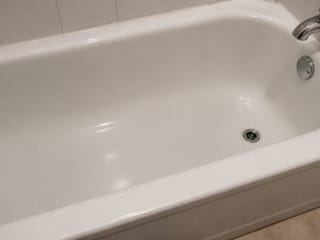 BathtubThe bathing basin. Soap scum and hard water cling to porcelain, acrylic, or enamel; abrasives that look fine on old enamel can haze acrylic.
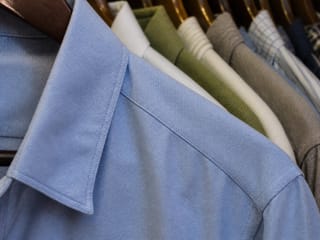 ClothingWearable garments. Fiber content and care labels decide heat, bleach, and agitation; a method that is safe on cotton can felt wool.
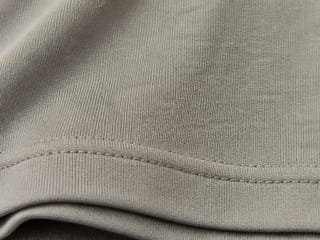 Cotton clothingCotton garments. Cotton takes many water-based stain treatments, but dyes can bleed and heat can set protein and tannin stains.
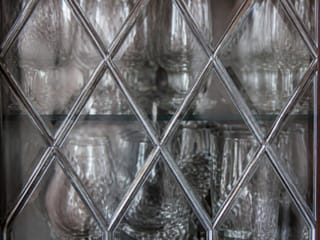 GlassSmooth, non-porous glass surfaces in the home — windows, shower panels, and glass cookware. Methods depend on coatings and what is stuck to the glass.
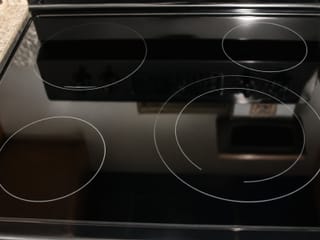 Glass stovetopA smooth glass-ceramic cooking surface. Burnt sugar and grease bake on; abrasives and metal scrapers can scratch the glass.
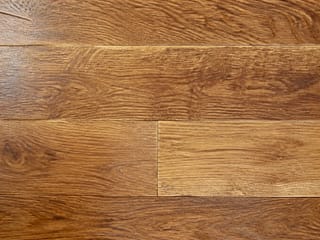 Hardwood floorFinished wood planks. Standing water and steam can swell or dull the finish; grit acts like sandpaper underfoot.
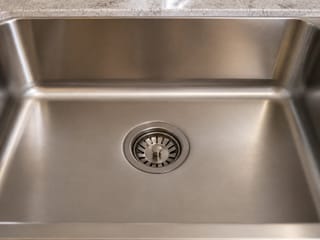 Kitchen sinkThe food-prep basin. Grease, coffee tannins, and hard water collect around the drain and faucet; leftover cleaner does not belong on a food-contact surface.
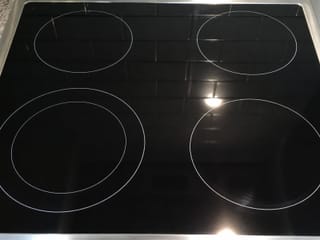 StovetopThe cooking surface on a range. Glass, gas grates, and electric coils trap grease differently and scratch under different tools.
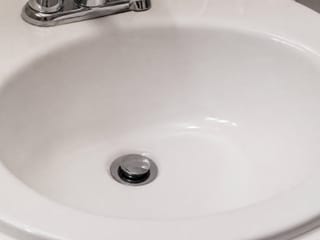 Bathroom sinkThe vanity basin. Toothpaste, soap, hair, and hard water build up around the drain and overflow; the bowl and the stopper are separate jobs.
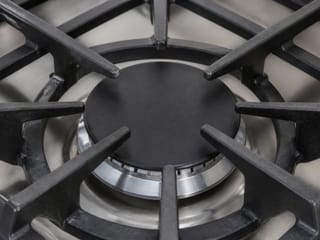 Gas stovetopBurners, grates, and the pan under them. Grease and boiled-over food sit in cast iron and enamel, not on a flat sheet of glass.
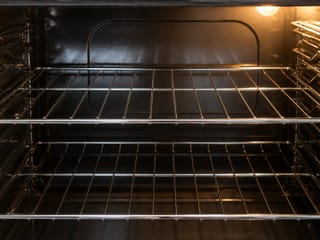 OvenThe inside of a kitchen oven. Spattered fat polymerizes on walls and racks; the door glass and the cavity are not the same job.
 Shower glassGlass shower doors and panels. Hard water, soap scum, and body oils build up quickly in a wet, poorly ventilated stall.
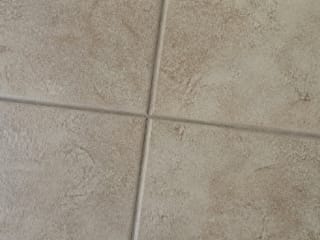 Tile floorFired tile underfoot. The tile face and the grout lines are different materials; what is safe on glaze can stain or erode grout.
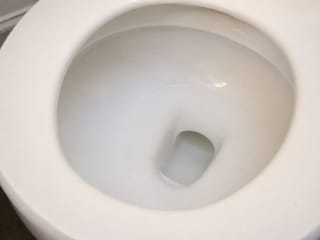 ToiletThe bowl, rim jets, and seat. Mineral ring, biofilm, and under-rim soil are different jobs; never mix bleach with an acid toilet cleaner.
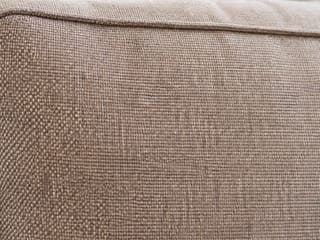 UpholsteryFabric on sofas and chairs that cannot go in a washer. Wetting the padding, dye bleed, and the cleaning code on the tag all constrain the method.
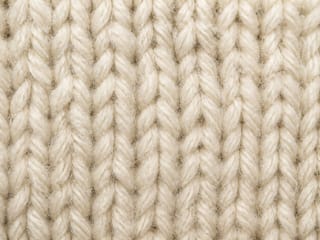 Wool clothingWool garments. Heat, agitation, and chlorine bleach can felt or yellow wool; many stains need a cooler, gentler path than cotton.
 BeddingSheets, duvet covers, and pillow protectors. Body oils and sweat build up in fibers; mattresses and washable covers are not the same target.
 Electric coil stovetopExposed metal coils and the drip bowls beneath them. Spills burn onto the bowls; the coils themselves are not washed like a pan.
 FaucetTaps and their aerators. Hard water crusts on the spout and inside the aerator screen; harsh abrasives scratch chrome and PVD finishes.
 GroutThe porous joints between tiles. Grout holds soap, minerals, and mildew in a way that glass does not, so it needs its own methods.
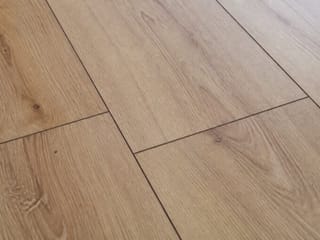 Laminate floorA photographic wear layer over a wood-fiber core. Too much water at the seams swells the core; abrasives dull the wear layer.
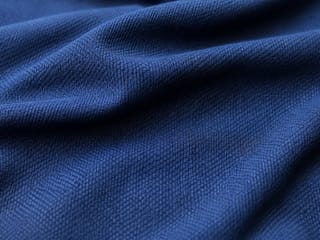 Polyester clothingPolyester garments. Oil-based stains cling to the fiber; high heat can set them, and some solvents affect prints or finishes.
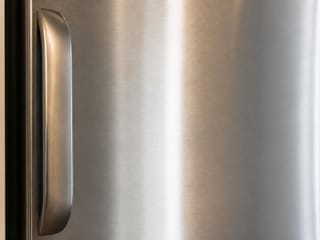 RefrigeratorThe fridge box, shelves, and door seals. Spills, odors, and mold collect in gaskets; the exterior finish is a separate surface.
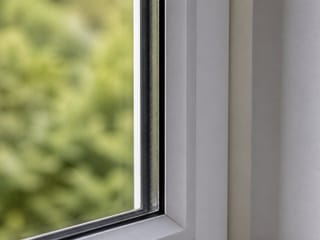 WindowsInterior and exterior window glass. Dust, outdoor grime, and sprinkler spots are different soils than shower minerals; coatings and screens change the method.
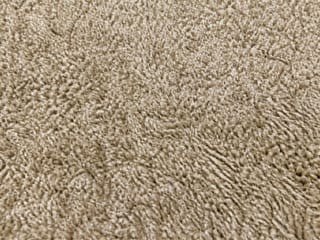 CarpetTextile floor covering. Spills sink into the pile and the pad; over-wetting and the wrong cleaner can set stains or leave odor.
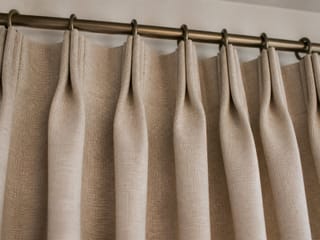 CurtainsWindow hangings. Dust, sun fade, and lining or blackout coatings change whether they can be washed, vacuumed, or only spot-cleaned.
 DishwasherThe tub, filter, and door gasket. Hard water, grease, and food bits clog the filter and film the interior.
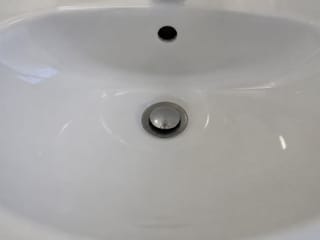 SinkA basin and its drain. Kitchen grease and bathroom toothpaste are different soils; stainless, porcelain, and composite scratch and stain differently.
 MicrowaveThe interior box and the turntable. Spattered food cooks onto the walls; the door seal and the cavity need different care.
 Washing machineThe drum, detergent drawer, and door gasket. Residue and mildew collect in the seal and the drawer more than on the drum face.
 AppliancesKitchen and laundry machines. Soil hides in different places on each one — coils, seals, filters — so a method that works on an oven does not transfer to a washer.
 FloorsWalking surfaces in the home. Finish, grout, and pile change what you can wet, scrub, or leave to dry.
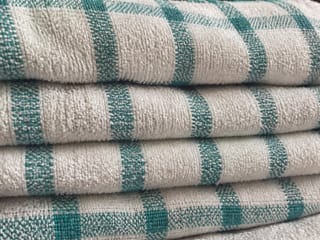 Clothing and fabricsWearable cloth, upholstery, bedding, and window fabric. Fiber, dye, and construction change what a stain treatment can do.
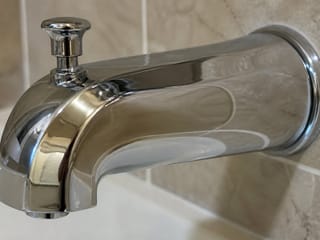 FixturesTubs, toilets, taps, and sinks. They share hard water and soap film, but coatings, porcelain, and aerators need different tools.
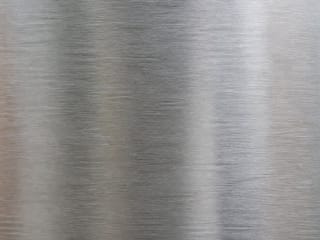 Stainless steelBrushed or polished stainless on appliances, sinks, and fixtures. Fingerprints and water spots show on the grain; the wrong polish or wipe direction leaves streaks and can scratch.
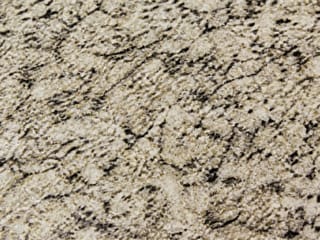 Natural stoneGranite, marble, and other stone. Acids etch calcite stones; sealers and poultice methods do not apply the same way on every slab.